veterinario
How to treat your pet's wounds naturally
26 May 2026
Dogs, cats and other pets get injured more often than we think. Scratches, bites, cuts, skin irritations and post-surgical lesions are common situations that any pet owner may have to deal with.
What are the most common wounds in animals?
- Cuts and abrasions
- Bites from other animals
- Skin irritations and dermatitis
- Lick sores
- Post-surgical lesions (spaying/neutering, orthopaedic surgery)
- Interdigital sores
- Minor burns
When to act immediately and when to wait
Not every wound requires an urgent visit to the vet. Superficial wounds, skin irritations and lick lesions can be managed at home with the right products. You should, however, go to the vet in case of:
- Deep wounds or wounds that will not stop bleeding
- Signs of infection (swelling, heat, pus)
- Bite wounds (high risk of infection)
- An animal showing intense pain or refusing to eat
How to clean and dress a wound
- Calm the animal first of all
- Clean the wound with saline solution or clean water
- Remove any visible foreign bodies
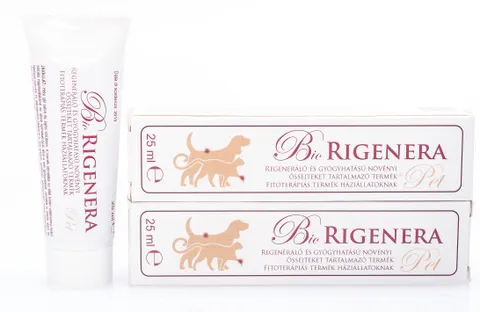
- Apply a natural wound-healing product
- Prevent the animal from licking the wound (Elizabethan collar)
Natural products for wound healing in animals
Lipogels based on natural active ingredients and ozone are particularly suitable for animals because:
- They are not toxic if accidentally ingested
- They do not contain aggressive chemical substances
- They have a natural antiseptic and wound-healing action
- They are CE-certified as medical devices
- They speed up the re-epithelialisation of the skin
An important tip
Even with apparently minor wounds, healing can be slower in older dogs or those with diabetes. In these cases it is always advisable to consult the vet to rule out complications.