odontoiatria
Dental implants: how to care for your gums after surgery
2 June 2026
What happens to the gums after a dental implant?
In the days following surgery it is normal to experience:
- Swelling and localized pain
- Slight bleeding in the first few hours
- Sensitivity in the implant area
- Difficulty chewing
These symptoms are physiological and tend to decrease within 3-5 days. It is essential, however, not to underestimate them and to carefully follow your dentist's instructions.
The main post-operative risks
The most feared risk after an implant is peri-implantitis - a bacterial inflammation of the tissues around the implant that can compromise its integration. The signs to watch for are:
- Persistent swelling beyond 5 days
- Pain that increases instead of decreasing
- Discharge of pus
- Mobility of the implant
How to care for your gums after the implant
- Follow a soft diet for at least 7-10 days
- Avoid hot, spicy or hard foods
- Do not smoke - smoking is the main enemy of osseointegration
- Gentle oral hygiene with a soft toothbrush
- Rinses with mouthwashes recommended by your dentist
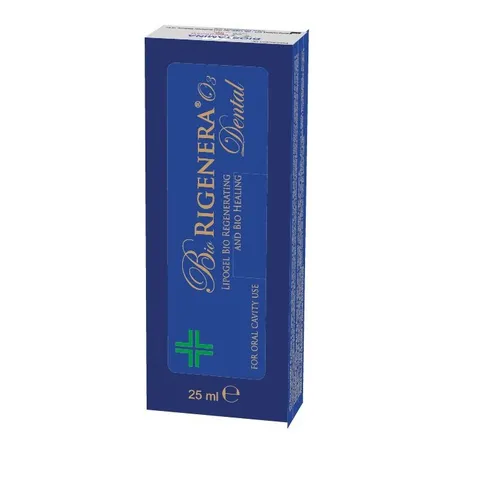
- Apply a natural gum gel to support healing
The role of natural gum gels
Lipogels based on essential oils enriched with ozone are today widely used by dental professionals to speed up post-implant healing because they:
- Adhere to the oral mucosa and form a protective film
- Reduce pain and inflammation
- Have a natural antiseptic action that helps prevent bacterial infections
- Support the re-epithelialization of gum tissues
- Are CE certified and free from harsh chemicals
How long does healing take?
Complete healing of the gum tissues generally takes 2-4 weeks. Osseointegration of the implant with the bone, on the other hand, takes 3-6 months. Proper gum care in the first weeks is decisive for the long-term success of the implant.
Always consult your dentist
Every patient is different. The dentist is the only professional able to assess your specific situation and indicate the most suitable care protocol. Natural remedies are a valuable support, but they do not replace professional supervision.