odontoiatria
Gingival gel after a tooth extraction: what to use and why
5 May 2026
What happens to the gum after an extraction?
In the days following an extraction, the following naturally occur:
- Localised swelling and pain
- A blood clot in the socket (essential for healing)
- Slight bleeding in the first few hours
It is important not to disturb the clot and to follow the dentist's instructions.
The most common risks
The main risk is dry socket (alveolitis), a painful complication that occurs when the clot dissolves prematurely. The warning signs to watch for are:
- Intense pain that worsens after 2-3 days
- A bad smell from the socket
- Absence of the clot
What to use to speed up healing
Gingival gels based on natural active ingredients are now widely used in dental post-operative care because:
- They adhere to the mucosa and form a protective film
- They reduce pain and inflammation
- They have a natural antiseptic action
- They promote re-epithelialisation of the gum
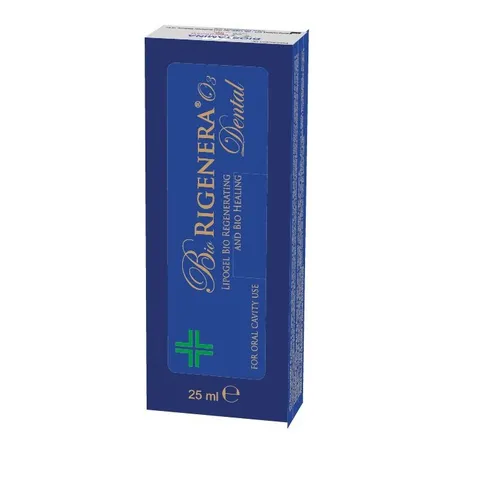
CE-certified medical devices based on essential oils enriched with ozone are particularly suitable because they combine antiseptic and regenerative action in a single product.
Practical post-extraction tips
- Do not rinse your mouth in the first 24 hours
- Avoid hot, hard or spicy foods for the first few days
- Do not smoke - it significantly slows down healing
- Apply the gingival gel gently, without rubbing
- Return to the dentist if pain increases after the third day
When gingival gel makes a difference
In patients with diabetes, older patients or those with a weakened immune system, post-extraction healing can be slower. In these cases a CE-certified natural gingival gel can concretely reduce recovery times and the risk of complications.