cicatrizzazione
Wounds in diabetics: why they heal slowly and how to help them
12 May 2026
In people with diabetes, even a small wound can turn into a serious problem. Understanding why, and knowing how to act, is essential to prevent complications.
Why do wounds in diabetics heal slowly?
Diabetes impairs healing in three main ways:
- Reduced circulation - excess glucose in the blood damages the blood vessels, reducing the supply of oxygen and nutrients to the tissues
- Peripheral neuropathy - diabetes damages the nerves, reducing sensitivity. Often the patient does not even notice that they have a wound
- Weakened immune system - white blood cells work less effectively, increasing the risk of infection
The areas most at risk
The feet are the most vulnerable area in diabetics. Diabetic foot ulcers are one of the most serious complications and can lead, in the worst cases, to amputation. This is why prevention and early treatment are essential.
How to prevent complications
- Check your feet every day for cuts, redness or swelling
- Keep blood sugar under control
- Wear suitable socks and shoes, with no internal seams
- Do not walk barefoot
- Moisturise the skin regularly to avoid cracking
Treating wounds in diabetics
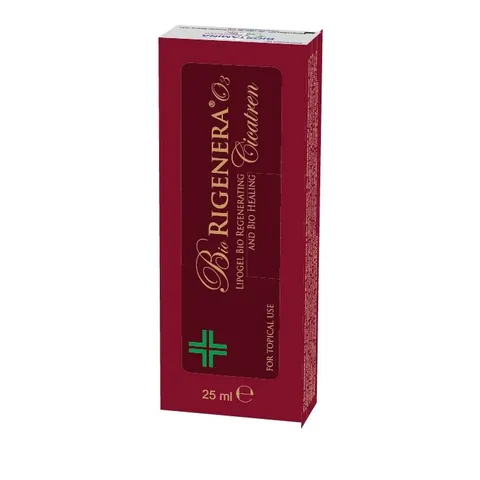
Wounds in diabetics require immediate attention. Natural medical devices based on plant active ingredients and ozone can support healing because:
- They create a protective barrier that reduces the risk of infection
- They stimulate tissue regeneration even in conditions of poor circulation
- They have a natural antiseptic action that limits bacterial proliferation
When to see a doctor
In diabetic patients it is always advisable to consult a doctor even for apparently small wounds. Prompt intervention can prevent serious complications and significantly reduce recovery times.